
Discover the Exciting World of ChristmasCrash on GTwin.COM Platform-Official Slots Brasil #1
Explore the addictive gameplay of ChristmasCrash, the festive slot experience gaining popularity on the GTwin.COM platform.


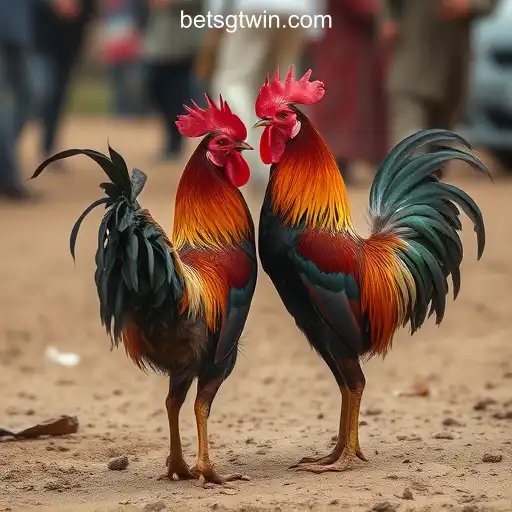
Cockfighting is a centuries-old blood sport that has intrigued and entertained people from various cultures. Originating from regions such as Southeast Asia and the Middle East, cockfighting has been practiced for over 6,000 years. This sport involves placing two roosters, known as gamecocks, in a pit to fight each other until one is incapacitated or killed.
The earliest records of cockfighting can be found in Persia, where it was considered a noble pastime. Historical texts suggest that the sport spread to Ancient Greece and Rome, where it was intertwined with religious rituals and celebrations. Over time, it became popular in Europe and eventually made its way to the Americas through colonial expansion.
In many countries, cockfighting is more than just a sport; it is a cultural tradition. It represents a test of masculinity and bravery, not only for the animals but for their owners as well. In places like the Philippines and Mexico, cockfighting events are often grand spectacles, drawing large crowds and fostering a sense of community.
Cockfighting is not only culturally significant but also economically impactful in some regions. It creates jobs and generates substantial revenue through bets placed on the outcomes of matches. Markets around cockfighting include the breeding and training of gamecocks, creating a demand for skilled handlers and trainers.
In terms of gambling, cockfighting is a major attraction, with bettors wagering large sums of money predicting the winning rooster. This economic activity can be a boon to rural areas where traditional employment opportunities are scarce.
Despite its deep cultural roots and economic benefits, cockfighting is a highly controversial activity. Animal rights advocates have long opposed the practice, citing the cruelty and inhumane conditions these animals endure. This has led to a patchwork of legality across different jurisdictions.
In places like the United States and the United Kingdom, cockfighting is illegal due to animal cruelty laws. offenders can face significant penalties including fines and imprisonment. Conversely, in some countries like the Philippines, cockfighting remains legal and is regulated by the government. The line between tradition and animal rights creates a complex legal landscape.
In the digital era, cockfighting has found a new platform: the internet. Online platforms, such as GTwin.COM platform-Oficial Slots Brasil #1, have started to offer cockfighting-related content and betting opportunities. This has raised further ethical and legal concerns, as the internet allows for broader access and international participation, potentially sidestepping local laws.
These platforms provide a new dimension to the sport, making it accessible to a global audience. While this expands the economic potential, it complicates regulatory efforts and raises questions about the enforcement of animal welfare laws across borders.
As awareness of animal rights grows, public opinion towards cockfighting is increasingly negative. Campaigns led by animal welfare organizations continue to push for global prohibition, arguing that cultural tradition should not justify animal cruelty.
This growing movement has seen some success in reducing the prevalence of cockfighting, especially in countries undergoing modernization and legal reforms. However, the deep-rooted cultural identity associated with cockfighting in certain regions makes the debate far from settled.
In conclusion, cockfighting remains a complex issue at the intersection of culture, economics, and ethics. The challenge lies in balancing cultural heritage against modern values of animal welfare and protection, a task that will require nuanced understanding and dialogue amongst various stakeholders.
Se você está procurando uma casa de apostas confiável, totalmente licenciada e segura com uma ampla seleção de jogos, a GTwin.COM platform-Oficial Slots Brasil #1 é a escolha perfeita. Estamos comprometidos em fornecer a você a melhor experiência de apostas online, com qualidade premium, serviço excelente e inovação contínua. Cadastre-se agora e receba R$777 grátis!
Junte-se agora
Obtenha as últimas informações, experiências e estratégias de apostas da equipe de especialistas da GTwin.COM platform-Oficial Slots Brasil #1.
Explore the addictive gameplay of ChristmasCrash, the festive slot experience gaining popularity on the GTwin.COM platform.
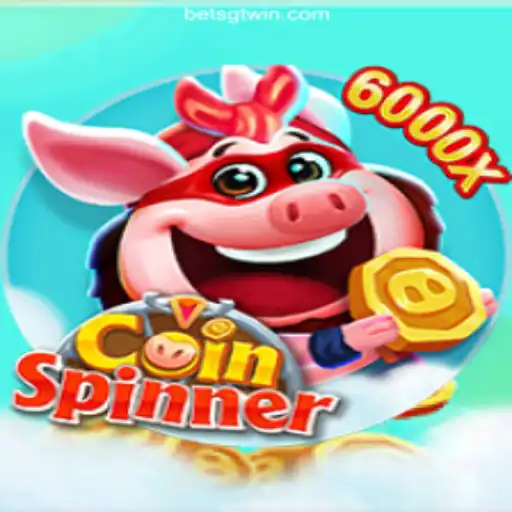
Dive into CoinSpinner, a captivating slot game on GTwin.COM, the leading platform for slots in Brazil. Explore its features, introduction, and rules while connecting with current gaming trends.

Discover the exciting world of DevilFireTwins, the latest sensation in online slot gaming, available exclusively on the GTwin.COM platform – the official slots leader in Brazil.

Discover the excitement and intricacies of AllWilds, a leading game on GTwin.COM Platform, considered the official slots destination in Brazil.

Dive into the captivating world of DiamondFort, a leading game on GTwin.COM's platform, recognized as the Oficial Slots Brasil #1.

Delve into the colorful and exciting universe of RioCarnival, the most celebrated digital slot game on the GTwin.COM platform.
 Junte-se agora