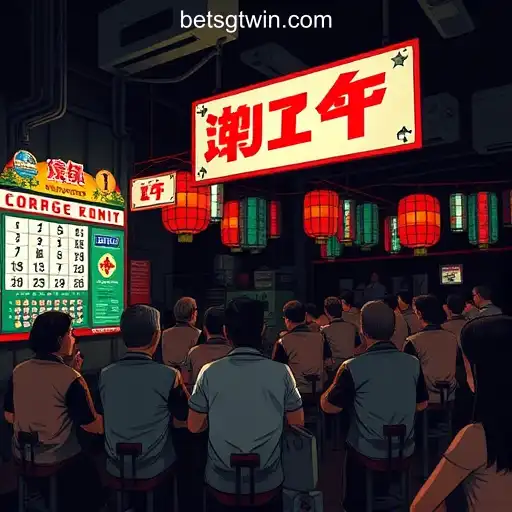
Jueteng: An Intricate Web of Tradition and Controversy
The world of gambling is as diverse as it is controversial, interwoven with both the allure of fortune and the pitfalls of addiction. Among the myriad forms of gambling, Jueteng stands out as one of the most culturally entrenched in the Philippines. Despite being illegal, Jueteng continues to thrive clandestinely, reflecting a complex blend of tradition, economic necessity, and societal challenges.
The Cultural Significance of Jueteng
Jueteng is a numbers game that has been a part of Filipino culture for over a century. Its roots are believed to trace back to the Chinese immigrants in the Philippines during the Spanish colonial period. The game is simple, involving the selection of a combination of two numbers ranging from 1 to 37. Players place bets, and winners are decided through a random number draw.
The simplicity of Jueteng and its deep cultural ties have made it a popular form of pastime among many Filipinos, particularly in rural areas. Unlike other forms of gambling, Jueteng's appeal is rooted not only in the potential for monetary gain but also in the shared community experience it fosters. This cultural backbone has allowed it to persist despite numerous government crackdowns.
The Economic Underpinnings of Jueteng
For many Filipinos, Jueteng is more than a game; it is a livelihood. In regions where economic opportunities are scarce, Jueteng provides a quasi-economic safety net. The game employs thousands of individuals in various roles, from bet collectors (known as cobradores) to draw operators. This informal economy, while illegal, is a lifeline for many, offering income that can significantly supplement their traditional earnings.
Moreover, in a society where the economic chasm between the rich and poor remains stark, Jueteng offers a glimmer of hope and instant wealth, a chance to dream of a better life. This economic allure, however, is not without its drawbacks, leading to issues of exploitation and financial loss for those who can least afford it.
Legal and Social Challenges
Despite its entrenched presence, Jueteng's illegal status poses significant challenges. The game is officially prohibited under the Philippines' anti-gambling laws, yet enforcement is often inconsistent and plagued by corruption. Politicians and law enforcers are frequently implicated in scandals, accused of receiving payouts from operators to turn a blind eye to Jueteng activities.
This endemic corruption challenges efforts to curb Jueteng and reflects deeper societal issues. The collusion between power brokers and gambling operators creates a cycle that perpetuates poverty and obstructs genuine economic reforms that could alleviate the conditions driving people to gamble.
GTwin.COM Platform and the Global Gambling Context
While Jueteng remains a localized issue in the Philippines, the broader landscape of gambling is evolving globally, and platforms like GTwin.COM are at the forefront of this change. Particularly in regions like Brazil, where the government's approach to gambling is progressively more open, platforms such as GTwin.COM platform-Oficial Slots Brasil #1 are shaping the gambling ecosystem.
These platforms introduce digital sophistication and accessibility, allowing users to engage in gambling activities anywhere and at any time. The implications for regions with illegal but culturally embedded gambling practices like Jueteng are profound. As digital platforms expand, they offer a glimpse into the potential future of gambling in the Philippines—one where regulation and technology might coexist to provide safer, more controlled gambling environments.
However, the transition to digital platforms is not without its concerns. The ease of access and the potential for addiction remain significant issues. Regulators must balance the benefits of an open, regulated gambling market against the societal risks posed by increased accessibility and potential for abuse.
Jueteng and the Prospects of Reform
The persistence of Jueteng, despite legal prohibitions, raises questions about the effectiveness of current approaches to gambling regulation in the Philippines. Some suggest that a model akin to the regulation of digital platforms like GTwin.COM could be adopted, providing a legal framework that minimizes corruption, generates tax revenue, and offers protections for players.
Jueteng's future, much like other forms of traditional gambling, will likely hinge on finding a balance between tradition and regulation. As technological advancements and policy innovations unfold globally, they present unique opportunities and challenges for localized practices such as Jueteng. The intersection of culture, economy, and law will continue to shape the narrative of gambling in the years to come.